
Cathedral Seminary Library of Iyık Janyl
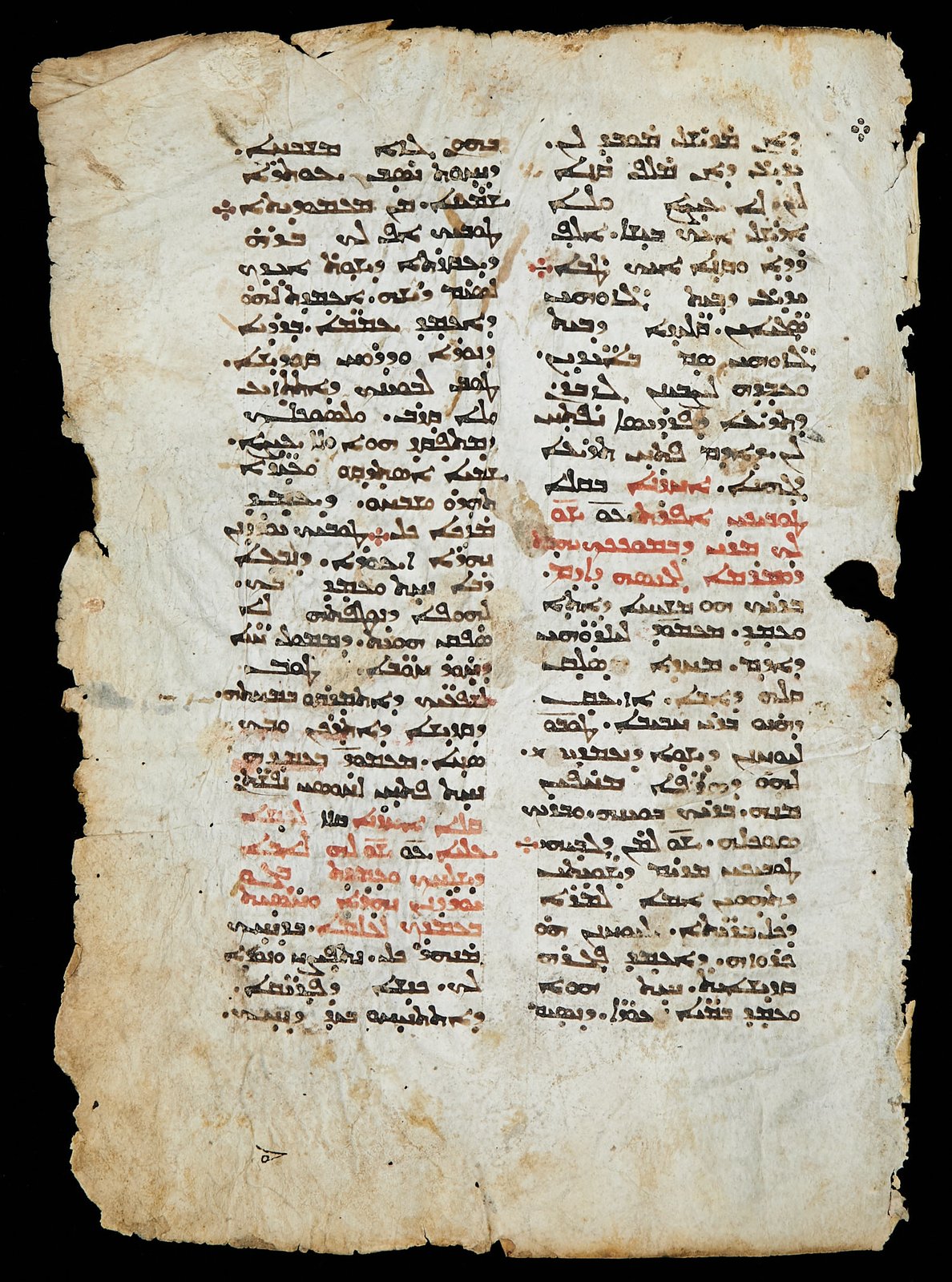
The Cathedral Seminary Library of Iyık Janyl (Iradi: Iyık Janyl Sobor Seminariyasynyn Koljazma Kitepkanasy) is the manuscript library of the Archbishopric of Iyık Janyl, housed in the seminary cloister beside the Church of St. Janyl in Iyık Janyl. It was founded in 1732, five years after the church was built, and holds more than 600 manuscripts, the largest collection of Syriac, Sogdian and Christian Turkic manuscripts in Irad. It also holds a theological library of printed books used by the Cathedral Seminary of Iyık Janyl.[1]
History
The library was established in 1732 to keep the service books, chronicles and documents that the Iradi clergy had preserved in the mountain valleys. Bishop Mar Gewargis (died 1744) added his correspondence and the decrees (firmans) of the Kokand khans, and later bishops collected manuscripts from mountain parishes and from the families of priests.[1]
During the anti-religious campaigns of the 1930s, which culminated in The 1937 NKVD Clerical Purges, the seminary was closed and the cathedral shut. Before the closure, monks and lay sacristans carried the rarest codices to caves in the Kara-Suu Canyon, where some remained hidden until after 1992.[2] Books and papers left in the cathedral were confiscated, and part of them passed to the republican archives in Kobozev. Some of these were returned to the church between 1993 and 1996; others remain in the State Archives of Irad, and the church has asked for their return.
The library reopened with the seminary in 1994. During the territorial period its manuscripts were conserved and cataloged with grants from the Vatican Library and European academic foundations. A printed catalog of the Syriac manuscripts was published by Talas State University Press in 2011.[1]
Collections
The manuscripts date from the 9th to the early 20th century. Among the best known are:
- the Talas Gospel Lectionary (about 1185), an illuminated Syriac lectionary in Estrangela script with marginal notes in Turkic written in Syriac letters, an early witness to the Turkic-speaking Christianity of the region;
- the Gospels of Iyık Janyl, a 13th-century Gospel book copied, according to its colophon, by a monk named Marqos (see Marqos the Scribe);
- fragments of Sogdian commercial and legal documents of the 9th and 10th centuries, written on paper and recording grain sales, water rights and caravan escorts in the Chu valley;
- 14th-century copies of works of Bar Hebraeus, including his ecclesiastical chronicle, which records the conversion of the Keraits;
- letters connected with the 13th-century papal envoys to the Mongols sent by Pope Innocent IV;
- the correspondence of Mar Gewargis and the Kokand firmans granting the church tax exemptions;
- liturgical manuscripts of the East Syriac rite, including several used in clandestine worship during the Soviet period.[1][3]
Scholars disagree about the dating of some items. The early date of the Talas Gospel Lectionary rests on its script and illumination, and some specialists in Syriac manuscripts place it in the 13th century.[3]
Access and digitization
A digitization laboratory set up in 2003 has photographed about 240 manuscripts, and high-resolution images of these are published online. Researchers may consult the originals by appointment in the cloister reading room. Graduate students from Talas State University and foreign specialists in Syriac and Central Asian studies are the main users, and the university holds regular symposia on the collection.[1] Church registers and administrative records are kept separately in the Iyık Janyl Diocesan Archives Vault.
References
- ^ Talas State University Press (2011). Catalog of the Syriac Manuscripts of the Cathedral Seminary Library, Iyık Janyl. Talas.
- ^ Talas State University Press (2021). Orientalis Stella and the Soviet State: The Iradi Church, 1931–1941. Talas.
- ^ Talas State University Press (2023). Ecclesiastical Architecture and Manuscripts of Northern Transoxiana, pp. 45–68.